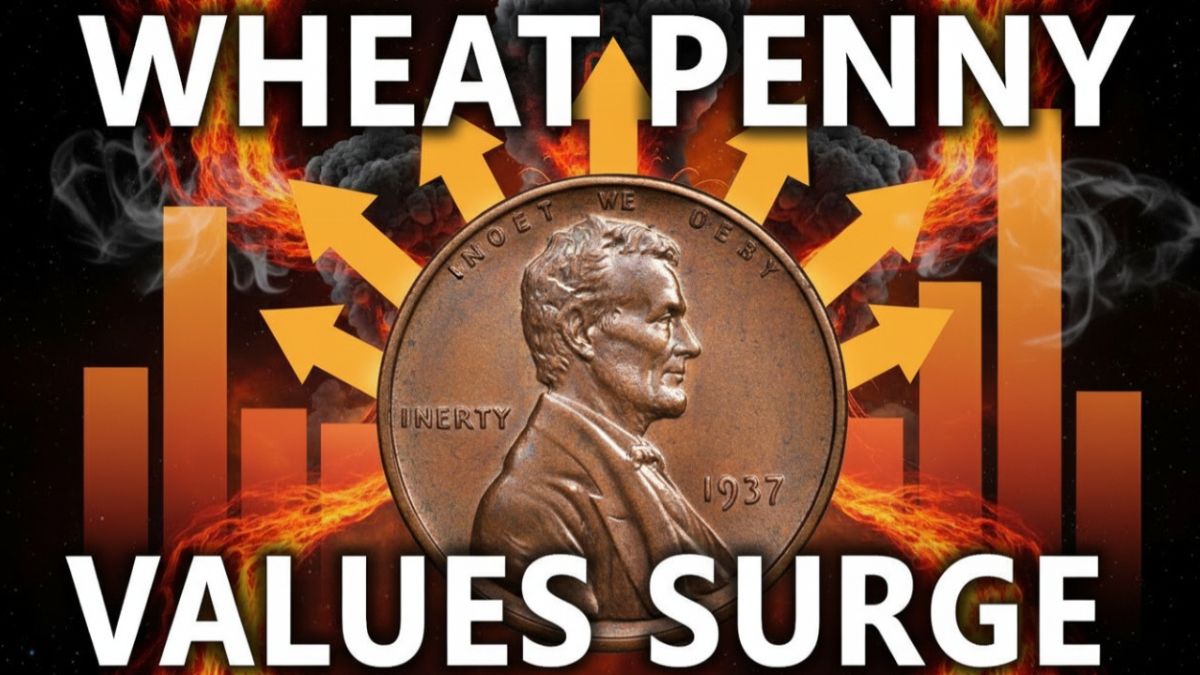
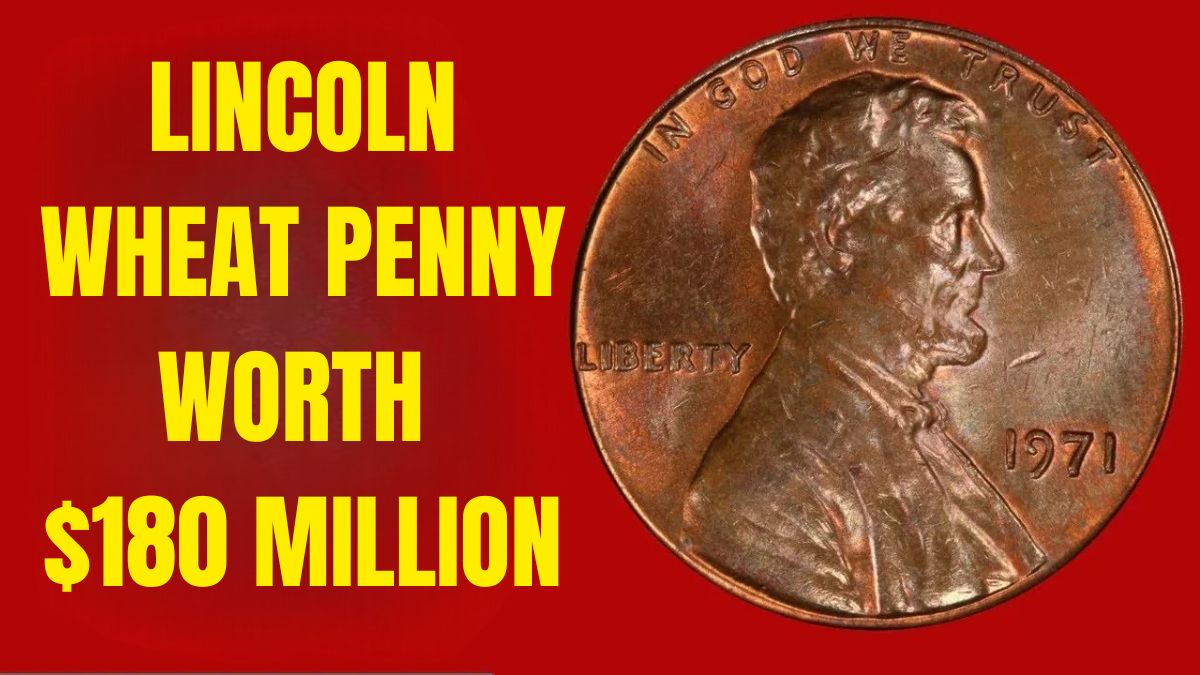
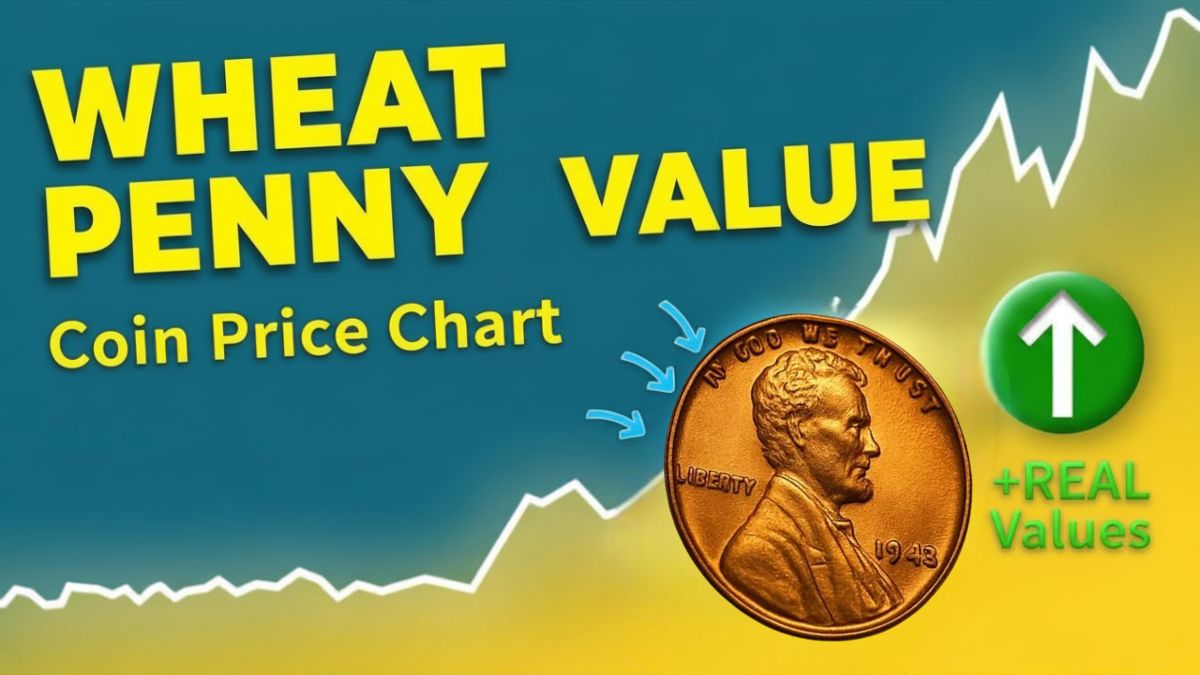
Wheat Penny 1915–1955: One of the most collected and discussed groups in US numismatics is wheat pennies minted between 1915 and 1955. The coins are also unique in a way that the design of wheat stalks is used on the reverse and thus may be easily recognized. There is high demand because of their historical importance as well as because they are very rare and of high grade. Being a longtime coin collector or an amateur, to buy and sell well, you must know the value of coins during this 40-year span.
The age, rarity, condition (grade), and mint marks of wheat pennies have a great impact on their price. This article will delve into all these factors in this article and will also give a clear outlay on the prices of wheat pennies between the years 1915 and 1955.
Table of Contents
Key Factors in Valuation
The price of wheat penny is dependent on a number of factors. The most significant factors are:
- Scarcity and Minting: There are years, which had very limited mintage, which caused the coins to be much more valuable.
- Mint Marks: A mint mark on the coin is of high significance and the position of the mark on the coin also influences the value of the coin.
- Condition and Grading: Would you rate as Good to Mint State (G4-MS67+) would have a dramatic effect on prices.
- Minting Error or Varieties: The value can be increased by presence of doubled dies, off-center strikes, repunch mint marks, and others.
- Metal Composition and Demand in the Past: Copper, zinc-bronze alloys, and other metal components are used to fix the price.
- Market Trends and Auction History: The price is also determined by the market demand and the high value coins auctioned off.
- Luster, Strike Sharpness and Premium Toning:Coins that have good luster and sharp strike are always more valuable.
According to all these, the price of wheat penny may vary between few cents and even thousands of dollars.
Wheat Penny Prices 1915–1930
The dollar 1915 to 1930 wheat pennies tend to be more valuable because fewer coins were minted and because of their demand by many collectors.
Spec Notes/PR:
- 19151917: Common coins with greater grade fetch greater price.
- 1917 Doubled Die: This is one of the most valuable types of errors of this time.
- 19181920: Increased supply, price varies according to quality.
- 1922 No D Mint Mark: This is one of the rarest and most costly wheat pennies.
- 1925-1927: Current value on limited value in common grades, and on higher value on MS grades.
- 1928-1930: Large mintages, cheap to start with.
There are a number of zinc-bronze early Lincoln cents that are a bit of a treasure trove of these years.
Wheat Penny Prices 1931–1943
The 1931-1943 has low-minted 1931 coins and the steel cents of 1943, notable as a special mint issue of World War II.
Important Notes:
- 1931-S: There was an extremely low mintage, and it is extremely valuable in any grade.
- The 19341939: Common coins, exceptions being some high-grade.
- 19411942: MS grade coins are more lucrative and are in abundance.
- 1943 Steel Pennies: Steel was used because of the shortage of copper in WWII.
- 1943 Copper Pennies: This is one of the most valuable coins in the US history.
Planchet variations and wartime transitional years are the aspects to which collectors should particularly be attentive.
Wheat Penny Prices 1944–1955
The post-WWII wheat pennies tend to be cheaper, yet there are a few special coins as well as some mistakes. Collector’s Perspective:
- 1944 Copper Returns: Copper Returns is the most widespread period cent.
- 1946-1948: Minting of high mint, grade-dependent value.
- 194952: The easiest to find, and can be enjoyed by novice collectors.
- 1953-1955: Wheat era terminated, Memorial cents started.
- There are varieties of the mint mark, which are double die and repunched mint marks.
Coinage of these years present good opportunities to new investors.
Mint Marks and Grading Impact.
The year of mint marks are important in the collector demand and value of all Wheat Pennies.
Mint Marks:
- No mint mark: Philadelphia
- D: Denver
- S: San Francisco
Grading:
- Good (G4 6): Heavy wear, clear details.
- Fine (F1215): With a moderate amount of wear.
- Extremely Fine (EF40 -EF45): Clean lettering and sharp details.
- Mint State (MS60-MS67+): Complete information, original luster, auction level value.
The value of coins of high grade rises exponentially almost every year.
Most Valuable Wheat Pennies (1915–1955)
There are certain years and denominations of coins that are of great interest to collectors:
- 1922 No D
- 1917 Doubled Die Obverse
- 1931-S (Low mintage)
- 1943 Copper Pennies
- 1955 Doubled Die
Even ordinary collector coins of some years may have shocking auction prices.
Rare Errors and Varieties
Coins with errors are able to make Wheat Pennies worth thousands of dollars. Notable Errors:
Fraudulent (distortion in lettering)
- Off-Center Strike
- Repunched Mint Mark
- Incorrect Planchet Strike
- Die Cracks and Cuds
- Wide Edge or Uncut Edges.
Rare varieties need to be identified accurately in order to be priced.
Conclusions and Collector Recommendations.
The 1915 to 1955 period of the Wheat Pennies is one of the richest and most collectible periods of numismatic history of America. Even high grade common coins can be valuable, even of very low rarity, depending on condition, mint mark, and rarity; and rare error varieties can attract substantial premiums. This may turn out to be a premium collectible product.
It is a great time to go out, no matter whether you are planning to invest long-term, go on a date run, or hunt variety. These coins will enable you to accumulate a spectacular, worthwhile collection of Wheat Pennies that is not just of historical value but of financial value.
FAQs
Q. What are Wheat Pennies?
A. Wheat Pennies are U.S. one-cent coins minted from 1915 to 1955, featuring wheat stalks on the reverse side.
Q. Why are they valuable?
A. Their value depends on rarity, mint marks, condition (grading), and error varieties like doubled dies or off-center strikes.
Q. What are the most valuable Wheat Pennies?
A. Key high-value coins include 1922 No D, 1917 Doubled Die, 1931-S, 1943 Copper Penny, and 1955 Doubled Die.