Every few months, the same claim goes viral on social media. It’s said that a simple Lincoln Wheat Penny, still circulating in people’s pockets and old jars at home, is worth $180 million. This sounds like something out of a movie. A small copper coin, once used without a second thought, becoming one of the world’s most expensive collectibles—this idea has captured people’s imagination.
Many people, due to this rumor, start hoping that they too might have such a priceless coin hidden away. But whenever news spreads so rapidly, it becomes crucial to separate fact from fiction. In this article, we will understand where the $180 million story originated, what the real truth is, and which Wheat Pennies are truly rare and valuable.
Table of Contents
The History and Popularity of the Lincoln Wheat Penny
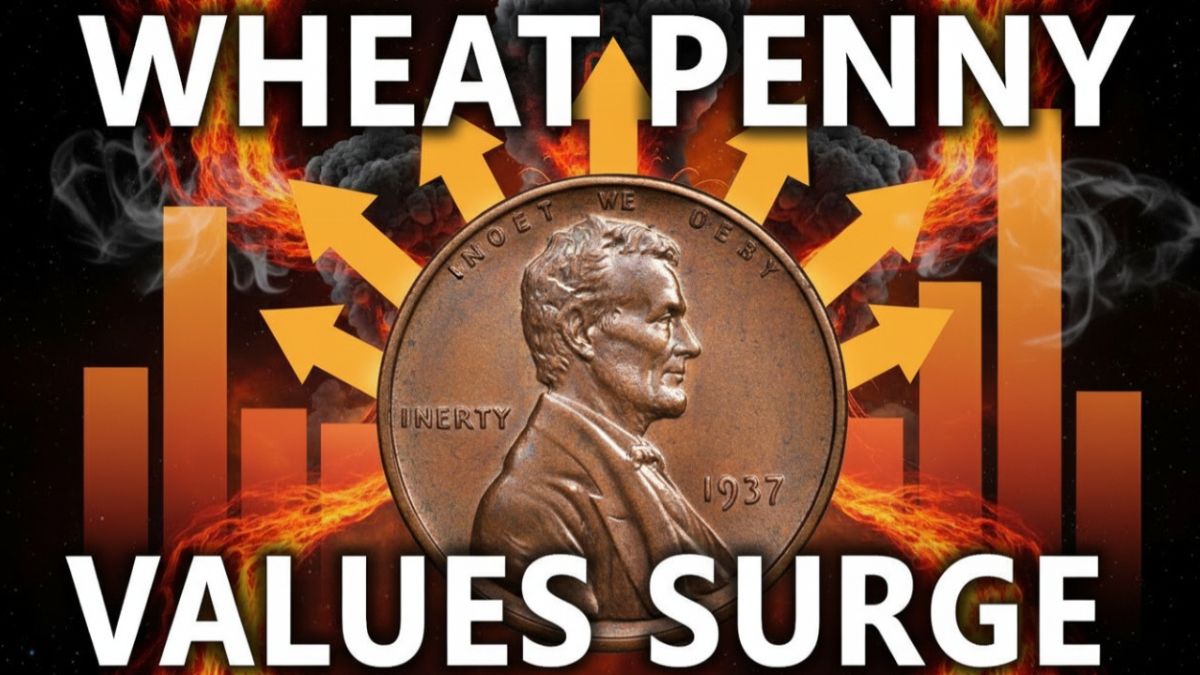
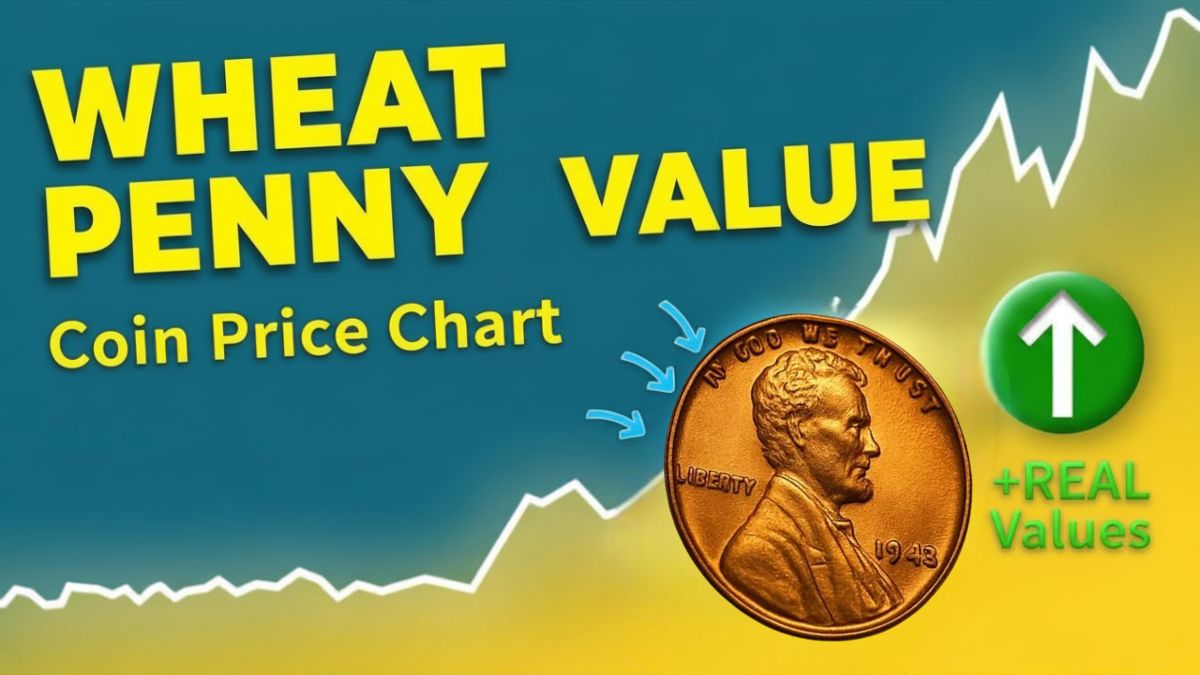
The Lincoln Wheat Penny holds a special place among American coins. It was minted from 1909 to 1958. The image of Abraham Lincoln on one side and two stalks of wheat on the other gives it a classic design.
The popularity of these coins stems not only from their design but also from their connection to American history. Issued over 100 years ago, they have seen several rare dates, mint errors, and limited mintage editions. This is why they remain attractive to collectors.
However, no known record indicates that any Wheat Penny has ever been sold for $180 million. So how did this story begin?
The Origin of the $180 Million Myth
This claim is actually a mix of misinformation, incomplete reports, and viral posts on the internet. Sometimes, rare or unique coins are auctioned off for millions or even billions of dollars worldwide. Gradually, some people started exaggerating these real events and linking them to the Lincoln Wheat Penny.
Content is often shared thoughtlessly on social media. Someone made a joke, someone else shared it, and before you knew it, the claim that a single Wheat Penny was worth $180 million spread like wildfire, being treated as a “fact.”
In reality, no Lincoln penny has ever come close to that price.
The Truth: Wheat Pennies are valuable, but…
While the $180 million figure is incorrect, that doesn’t mean Wheat Pennies are worthless.
Rare editions, especially error coins or those from years with limited mintage, can still fetch a considerable price today. But their value is based on their actual rarity and collector demand, not on a viral rumor.
What determines the real value of a Wheat Penny?
The value of any Lincoln Wheat Penny is determined by these factors:
1. Year of Minting
- Coins from 1909 to the early 1930s are considered more valuable.
- Coins with the VDB initials issued in 1909 are especially sought after.
2. Mint Mark
- Coins from the S (San Francisco) mint are often rarer.
- Coins from the D (Denver) and those with no mint mark (Philadelphia) can also be valuable in certain years.
3. Condition/Grade
- The grading of a coin can increase its value many times over.
- A coin from the same year can be worth several thousand dollars if it is in Mint State (MS) condition.
4. Error Coins
- Error coins are highly prized by collectors. For example:
- Off-center strike
- Doubled die
- Printed on the wrong metal
Truly Valuable Wheat Pennies
1. 1943 Bronze Penny—The Real Superstar
In 1943, the US government issued steel coins to conserve copper. But by mistake, some copper blanks remained in the machine, and copper pennies were minted on them.
These are extremely rare and have sold for millions of dollars at various auctions.
2. 1909 S VDB
Being the first year of the Lincoln design, this coin is very special. Limited mintage
- Designer’s initials VDB
- It is still highly sought after by collectors today.
3. 1914 D Penny
This coin is rare, especially in high grades. It is often considered one of the top 10 collectible coins in America.
All of these coins are valuable, but none of them are worth millions or billions.
So why do these rumors keep spreading?
Because people love hearing stories of hidden treasures. The slightest possibility that a coin in your pocket could make you a millionaire—the very idea excites people.
Social media amplifies this feeling.
That’s why people share such news without verifying it. Gradually, the rumor is repeated so many times that it starts to sound like the truth.
If you’re a collector, how do you identify genuine rare coins?
1. Identify key dates
- Many online lists are available that provide rare dates validated by collectors.
2. Learn grading
- The condition of a coin is a major factor in its value.
- MS (Mint State) graded coins always fetch higher prices.
3. Identify errors
- If a coin looks slightly different, has a double strike, or has an unusual shape, it might be an error coin.
4. Get it checked by an expert.
- If you think your coin is special, get it examined by a certified numismatist.
The appeal of Wheat Pennies for new collectors
Wheat pennies prove to be a great starting point because:
- They are easy to find.
- They are historically significant.
- Some rare coins are worth millions.
- Even low-value coins can make a good collection.
This is why both new and old collectors are interested in these types of coins.
Final conclusion: The $180 million story is just a myth.
The claim of a $180 million Lincoln Wheat Penny is entirely an internet rumor. It has no basis in reality.
While some Wheat pennies have sold for very high prices, their value is due to their genuine rarity and historical significance, not because of any viral story.
If you are a collector or interested in this subject, identify coins with accurate information. You might find a valuable coin in an old box or tin—but expecting to find a $180 million coin is not realistic.
FAQs
Q. Is the Lincoln Wheat Penny really worth $180 million?
A. No. This claim is a viral myth. No Wheat Penny has ever sold for anywhere near that amount.
Q. Are any Wheat Pennies actually valuable?
A. Yes. Certain rare dates and error coins like the 1943 bronze penny and 1909-S VDB can be worth thousands to hundreds of thousands of dollars.
Q. Why do people believe the $180 million rumor?
A. Because social media exaggerates real coin stories, leading people to believe a treasure might be hiding in their change.
Q. Which Wheat Pennies should collectors look for?
A. Look for the 1909-S VDB, 1914-D, 1922 No D, and the 1943 bronze error penny.
Q. How can I check if my Wheat Penny is valuable?
A. Check the year, mint mark, condition, and look for errors. For confirmation, get it examined by a professional coin grader.