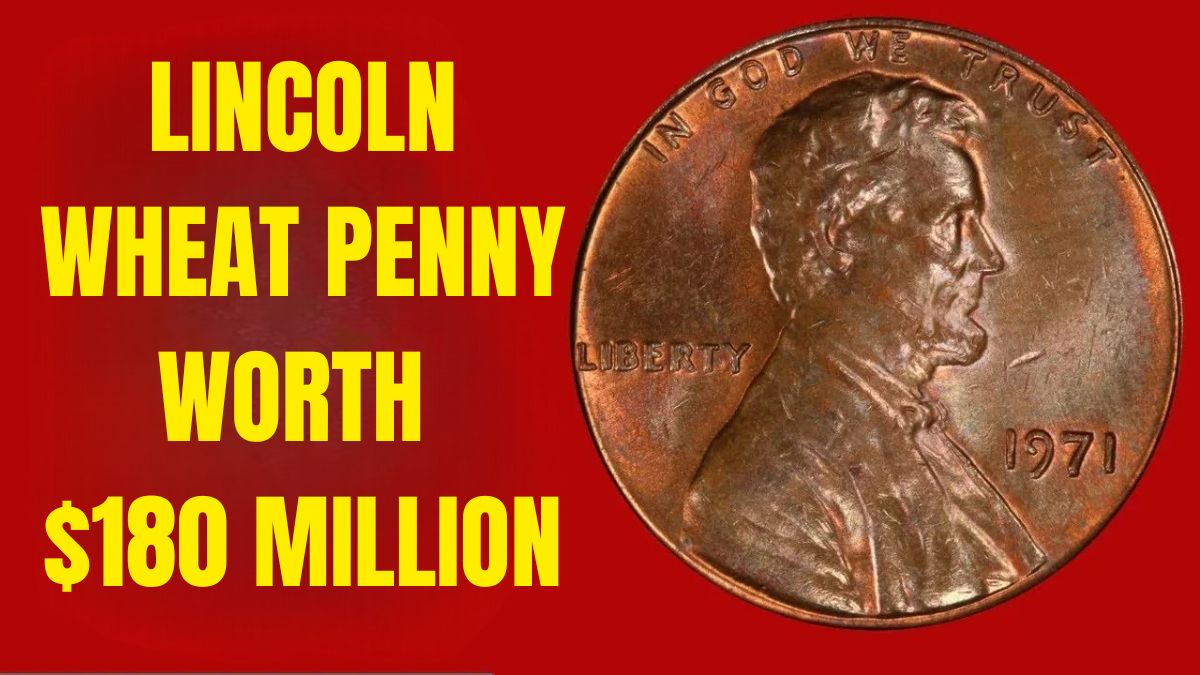
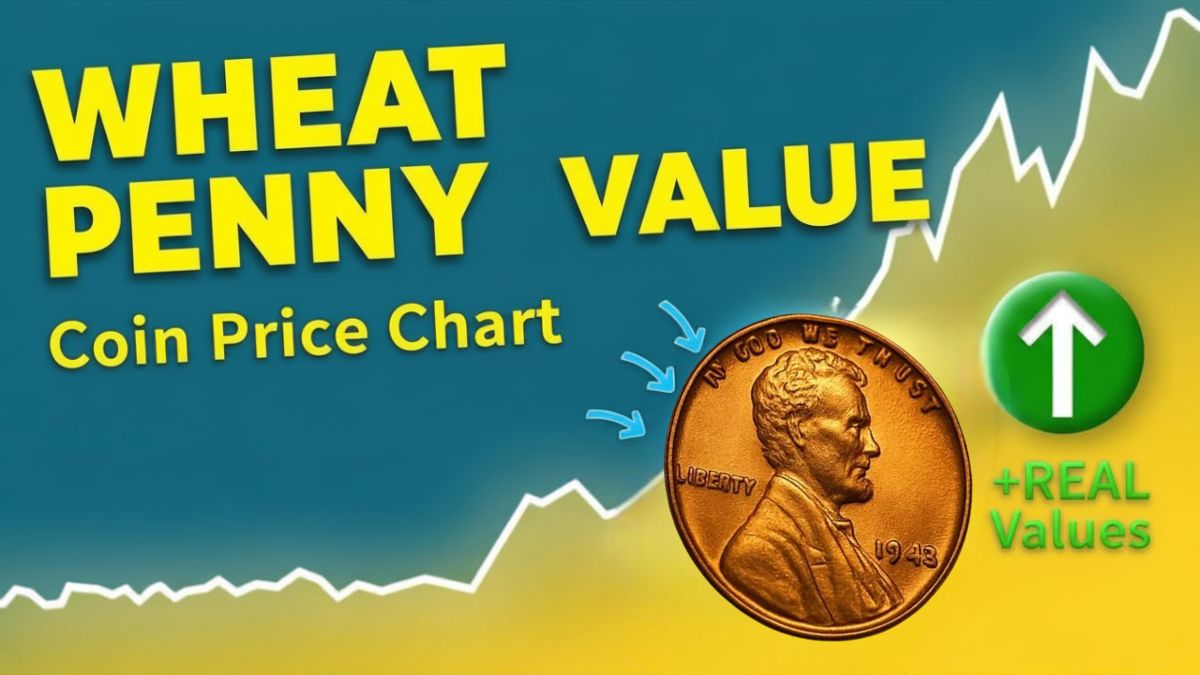
1920–1945 Wheat Penny Value Chart – Among the coins of the United States, the Wheat Penny collection (1920-1945) is a series of coins recognized not only as those which materially influenced the American monetary system but also as those which became an invaluable heritage to collectors and numismatists. These copper pennies, produced by the United States Mint, are still very much in demand today because of their attractive design, their historical importance, and their varied mint marks.
The typical wheat stalks shown on the back of these coins are the main features that help to identify them at a glance. Knowing them with their rarity, their quality, and their price can raise the collector’s collection from being average to outstanding. Hence, this collection continues to be a favorite of both beginners and seasoned collectors.
Table of Contents
Characteristics of the Wheat Penny Series
The Wheat Penny series is highly popular due to its many characteristics. Pennies from this period featured the same classic wheat stalk reverse design that continued from 1909 to 1958. These coins were issued from three major mints—Philadelphia, Denver, and San Francisco—with Philadelphia coins having no mint mark. Many coins from this period are particularly sought after because certain years saw the production of rare dates, mint errors, and special varieties such as doubled dies. Coins produced, especially in the early 1920s, had a high copper content, which has helped preserve their luster and durability to this day. According to historians, this period was extremely significant for America—the expansion of industries after the end of World War I, the Great Depression, and then the preparations for World War II—all of which have given these coins a historical identity.
Grading: The First Step to Knowing the True Value of Wheat Pennies
The question of the worth of each coin cannot be answered just by looking at the year and mint mark as the condition of a coin might raise its value considerably. There could be a coin which is in a Poor condition, that is the design of the coin can hardly be seen, or in Mint State meaning a coin that is as good as new and does not have any signs of wear. Besides that, there are other categories, i.e. Fair, Good, Very Good, Fine, Very Fine, Extremely Fine, and About Uncirculated, that are defined very precisely by specialists. Usually, a coin of the same year if it is in a poor condition, will be worth only a few cents, however, the one in Mint State can be sold for hundreds of dollars. Hence, the most important factor in the value of Wheat Pennies is the grading one.
Value of Wheat Pennies from 1920 to 1945: Year-by-Year Valuation
The prices of coins from these years vary considerably. Some years are common, while some dates are so rare that they are highly sought after in the market. For example, a 1920 coin might be worth a few cents to a few dollars, but a 1921 coin with the “D” mint mark is extremely rare and its value increases many times over. Similarly, the 1928 D mint mark and the 1931 S mint mark coins are considered among the most desirable among collectors. The 1943 copper penny is the rarest and most famous coin in this entire series, as steel pennies were officially being minted that year, but some pennies were mistakenly struck in copper. Their value today ranges from thousands to millions of dollars. In addition, some 1942 D and S mint coins also command higher prices due to their rare varieties.
Rare and Prominent Wheat Pennies
In the world of Wheat Pennies, some coins have always held a special place. The 1921-D is considered extremely rare and is a cornerstone of any major collection. The 1928-D and 1931-S are both coins that are still difficult to find today, and if found in Mint State grade, their value increases many times over. The 1943 copper penny is almost legendary, as it was produced by mistake, and the prices fetched at auction for those in good condition still amaze people today. In addition, doubled die varieties and other technical errors in the minting process give these coins exceptional value. Collectors are always on the lookout for such special coins.
How to Start a Wheat Penny Collection
If someone is starting to collect this series, the first thing they should learn is how to identify the correct mint mark and year. Having a good quality magnifying glass and a grading guide is also extremely beneficial. Beginners are advised to start with circulated coins so they can gradually gain expertise in valuation, grading, and identification. Coins should always be stored in acid-free holders to prevent corrosion or damage. It is especially important to be wary of counterfeit copies, particularly for rare years. Reliable dealers, auction houses, and coin shows are considered the most trustworthy sources for this.
Historical Context: The Story of America Hidden in These Coins
The times from 1920 till 1945 were significant in the history of the United States of America. After the cessation of the World War I, the country was busy with the rapid growth of its industries. The Great Depression in the 1930s affected the American economy very hard and brought about a reduction in coin minting for several years. Finally, in the 1940s… The second world war had started, and because of the needs of wartime, steel pennies were produced in 1943 as copper was being used for the making of war materials. After the victory in the war in 1945, the United States of America went into a new era, and the coins from that year became symbols of that historical change.
Conclusion: The Wheat Penny—A remarkable blend of history, value, and investment
The 1920–1945 Wheat Penny collection is, in fact, the foundation of American numismatics. The single factor that makes these coins so hugely attractive is the combination of history, rarity, design, and investment worth. A small collection, if it is properly curated with the right years, high-grade coins, and rare varieties, can be worth a lot of money. The coins of this series are not only metal pieces but also real historical moments of the United States of America. By doing thorough research and having a systematic approach to collecting, this set will be both a source of the collector’s enjoyment and an excellent investment.
FAQs
Q. What is a Wheat Penny?
A. A Wheat Penny is a U.S. one-cent coin minted from 1909 to 1958 featuring wheat ears on the reverse.
Q. Why are 1920–1945 Wheat Pennies valuable?
A. They are valued for their historical importance, mint errors, rare dates, and high copper content.
Q. Which Wheat Penny is the rarest from this period?
A. The 1943 Copper Wheat Penny is the rarest and can be worth thousands of dollars.